1840s
Dallas is Founded
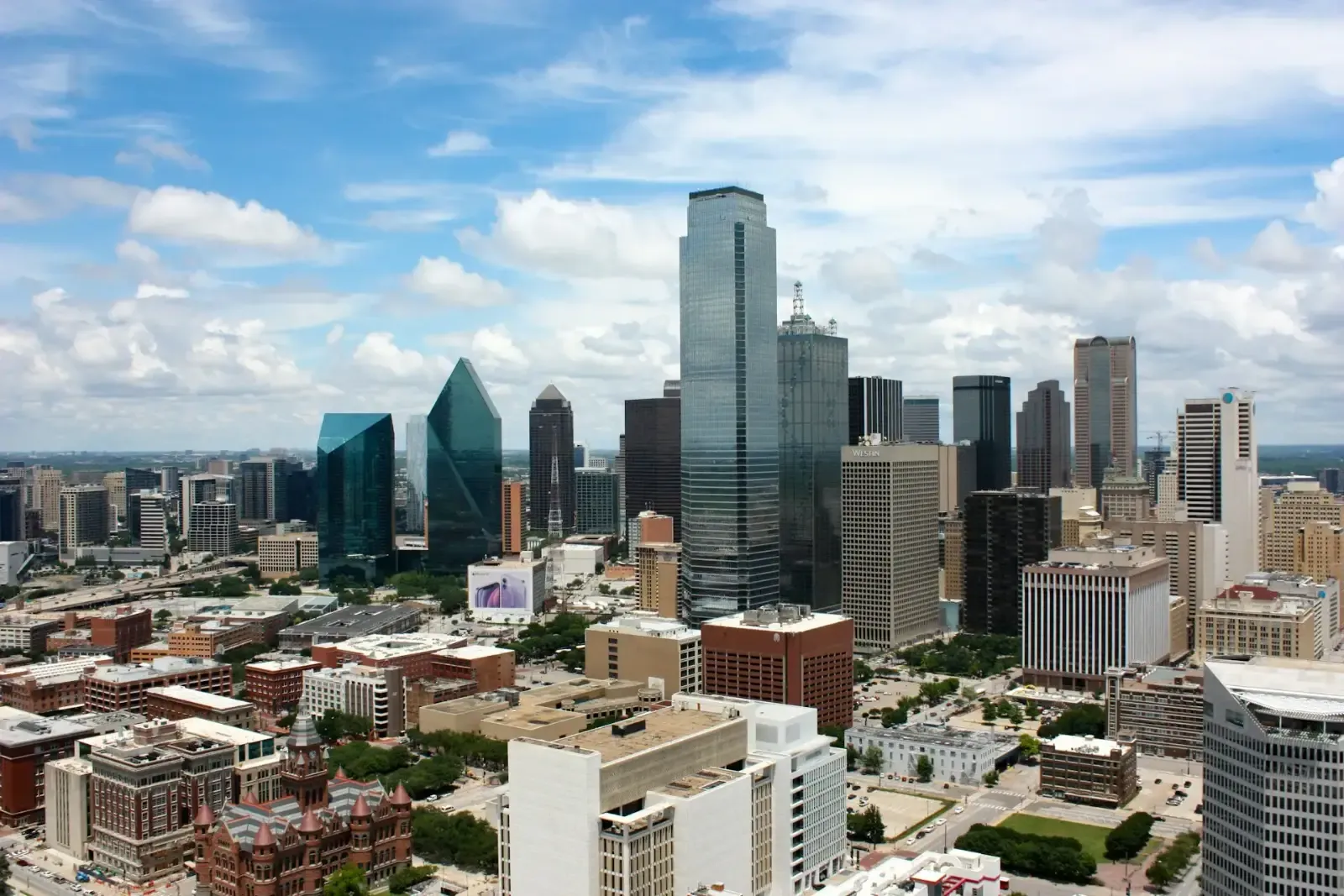
John Neely Bryan establishes a trading post at the Trinity River bend. The area that will become the West End starts as the city's commercial center.
History & Identity
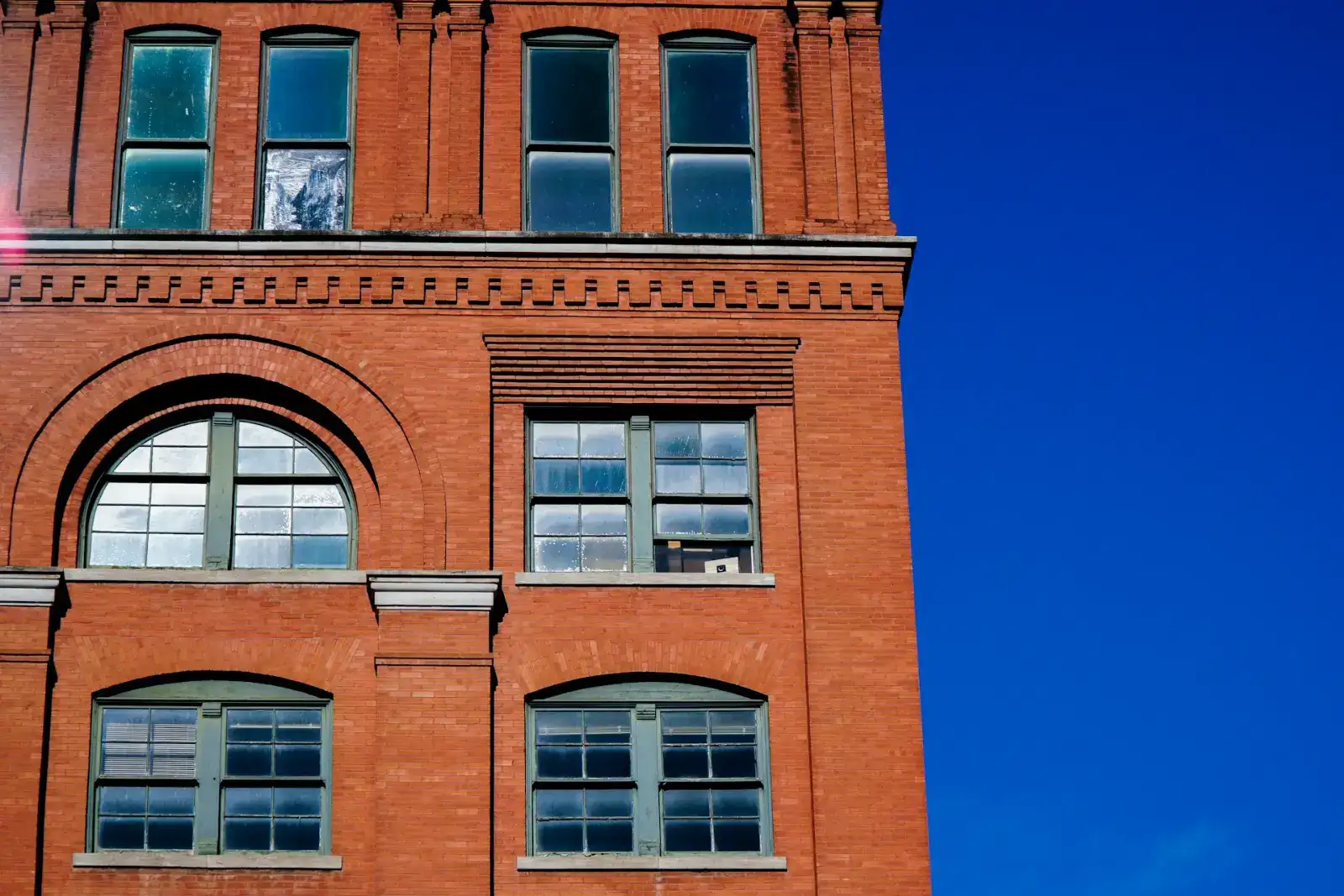
Red-brick streets, preserved 19th-century warehouses, and a character that is both nostalgic and alive. This is where the city's story started.
"Those same historic warehouses have been transformed into restaurants, bars, and entertainment venues — giving the area a unique character that feels both nostalgic and alive."
In the heart of downtown Dallas, the West End Historic District stands as one of the city's most iconic and vibrant destinations. With its red-brick streets, preserved 19th-century architecture, and energetic atmosphere, the West End blends rich history with modern experiences — making it a must-visit for locals and visitors alike.
Originally developed in the late 1800s as a trading hub fueled by the arrival of the railroad, the district quickly became a center for commerce and industry. Warehouses, depots, and industrial buildings rose along what would become N Market Street and the surrounding grid — a testament to Dallas's early ambition as a growing railroad crossroads in Texas.
Today, those same historic warehouses have been transformed into restaurants, bars, and entertainment venues, giving the area a unique character that feels both nostalgic and alive. The preserved brick exteriors and cast-iron facades tell a story that no new construction can replicate — they are the physical memory of a city that built itself from the ground up.
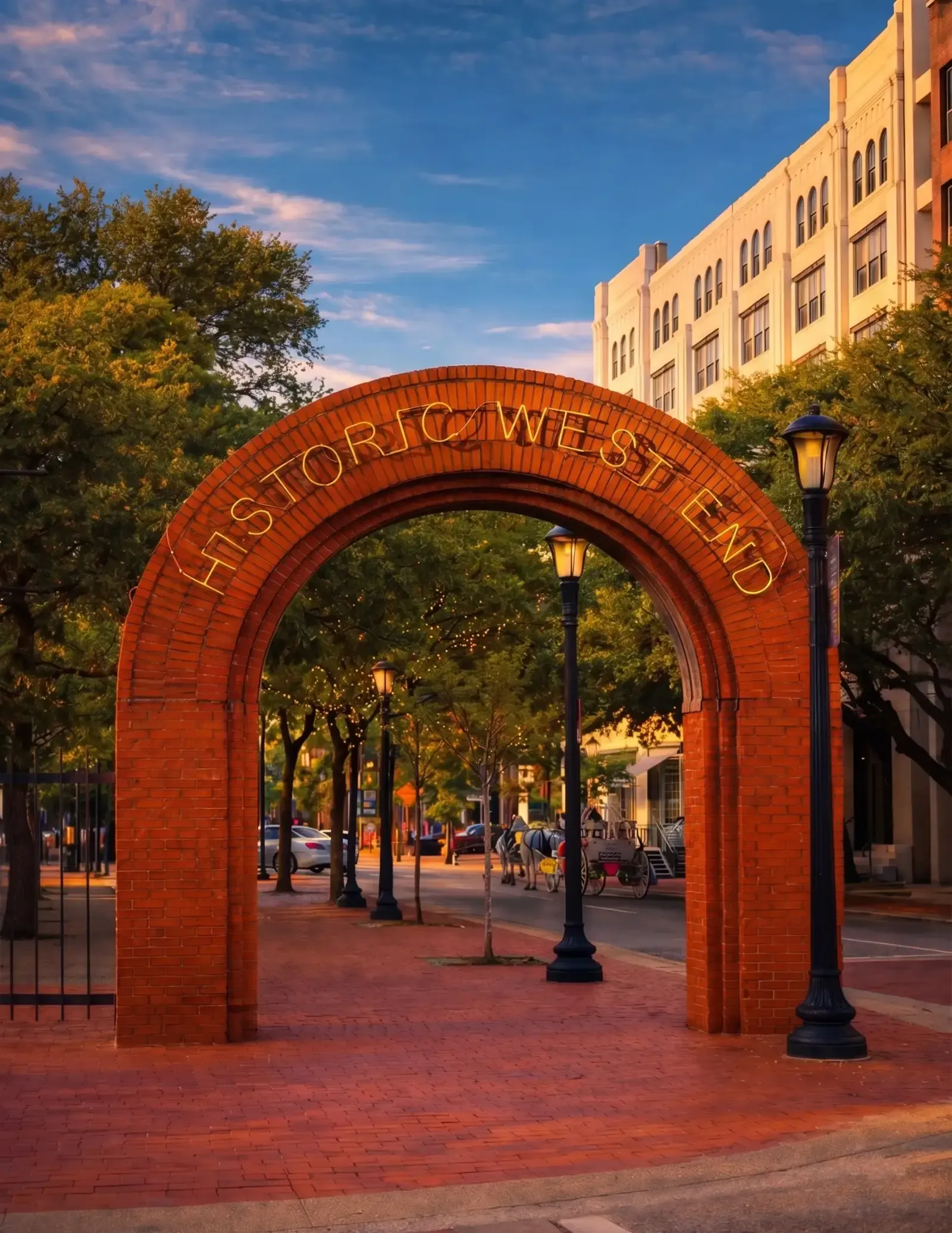
Walking through the West End is to walk through layers of time. The iconic brick arch at the entrance to the district — illuminated with neon at night — has become one of the most photographed landmarks in Dallas, a symbol of a neighborhood that honors its past while embracing what's next.
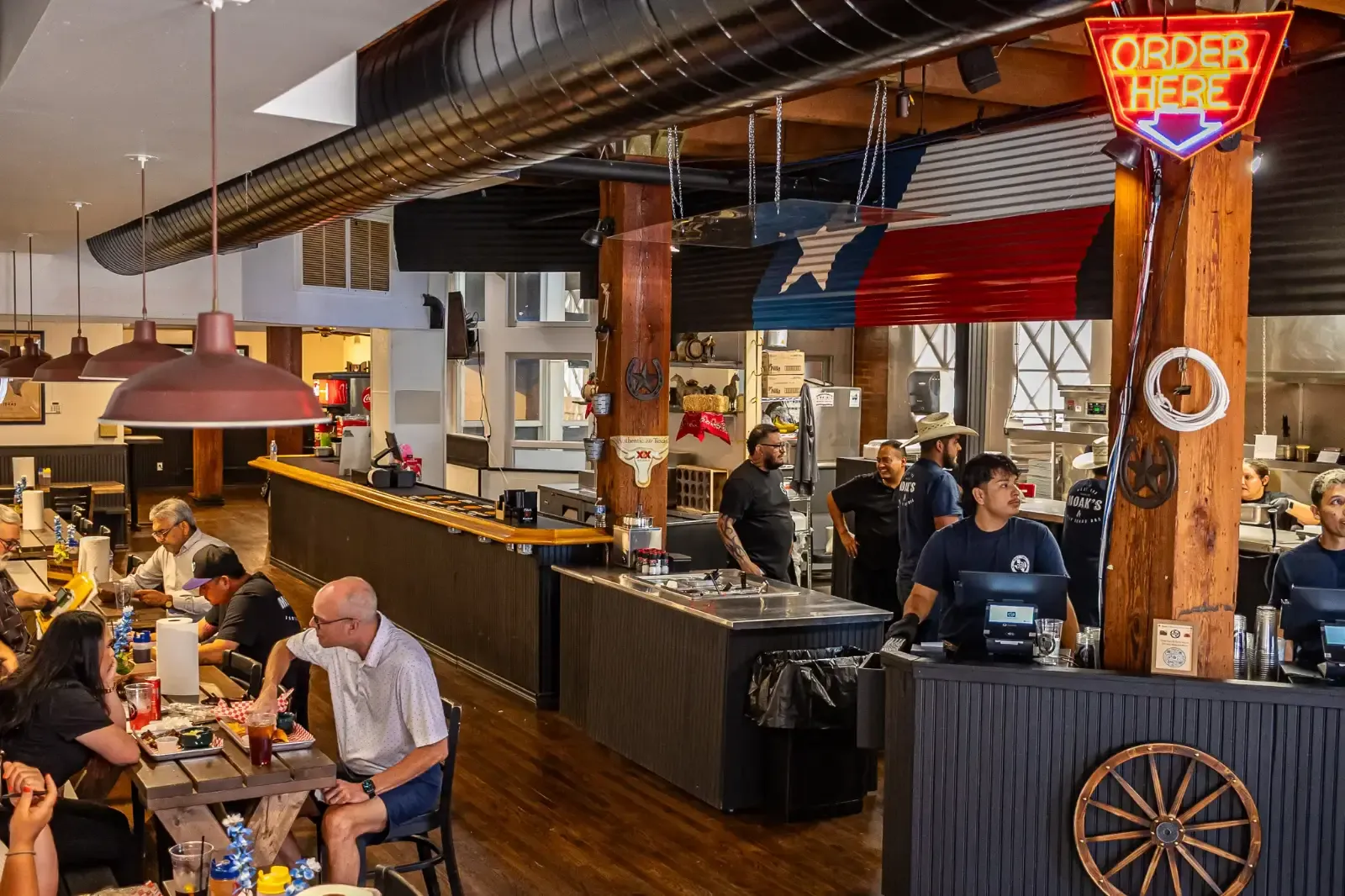
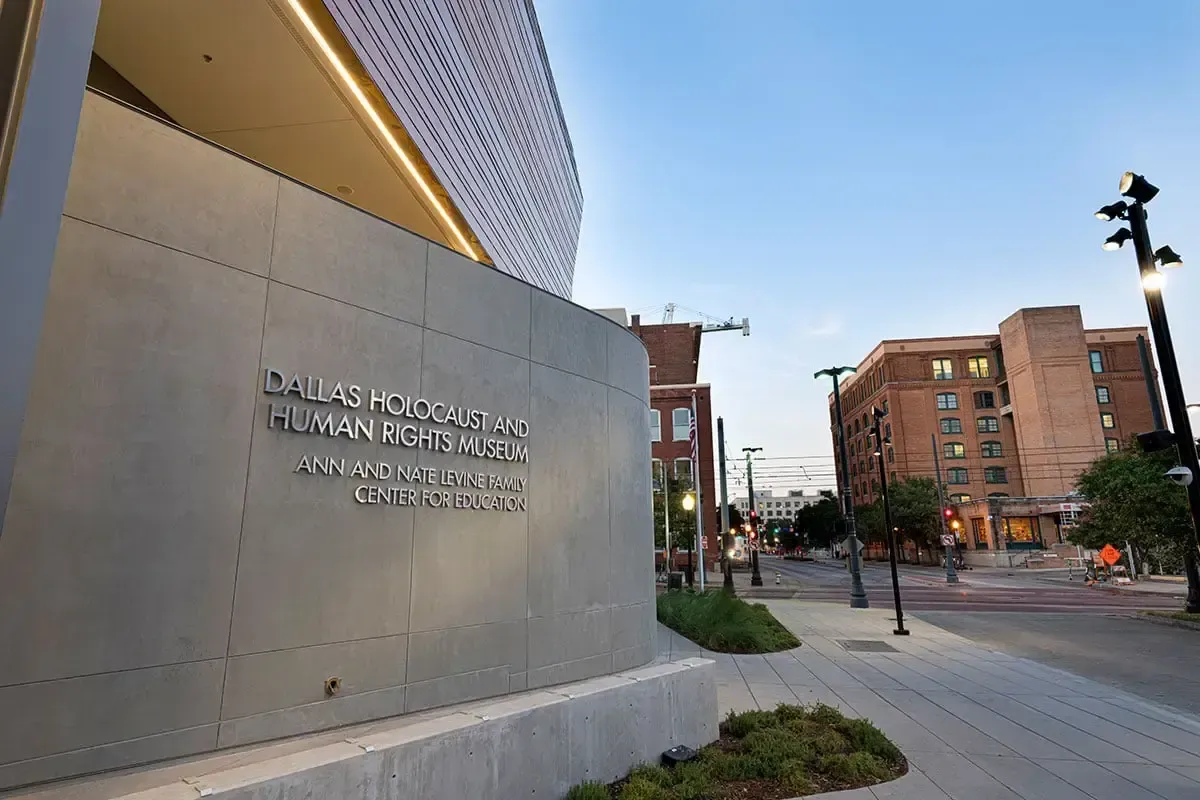
What makes the West End unique isn't just its architecture — it's the energy. A district where a morning walk past 19th-century facades leads to an afternoon at a world-class aquarium, a history museum using holographic technology to connect visitors with Holocaust survivors, and an evening at one of Dallas's most celebrated steakhouses.
The West End is not a museum. It is a living, breathing neighborhood — one that has reinvented itself not by erasing the past, but by building on top of it, respecting it, and inviting visitors to be part of its ongoing story.
1840s
John Neely Bryan establishes a trading post at the Trinity River bend. The area that will become the West End starts as the city's commercial center.
1872
The Houston & Texas Central Railroad reaches Dallas, transforming the western edge of downtown into a major industrial and trading hub. Warehouses multiply rapidly.
Late 1800s
The West End becomes the commercial heart of Dallas — wholesale distributors, cotton merchants, and industrial businesses fill the brick warehouses lining N Market Street.
1963
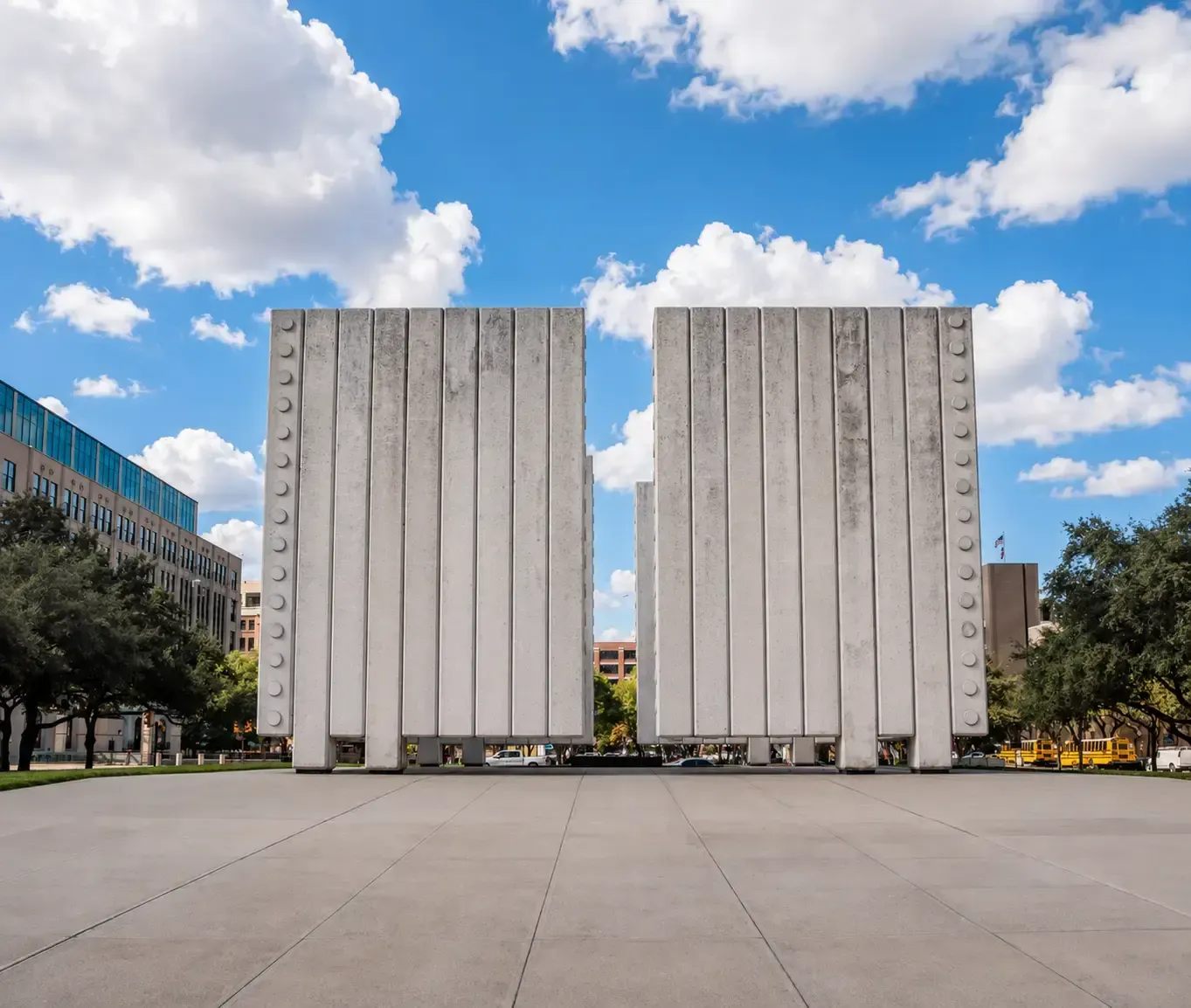
President John F. Kennedy is assassinated at Dealey Plaza, steps from the West End. The Sixth Floor Museum would later preserve this pivotal history.
1980s
The West End undergoes a major transformation — historic warehouses converted into restaurants, shops, and entertainment venues. The district is designated a historic area.
2001
Home of the Mavericks and Stars, opening minutes from the West End — cementing the district's role as a premier sports and entertainment destination.
Today
Award-winning restaurants, world-class museums, signature events, and 19th-century architecture — the West End is more alive than ever.
01
The red-brick warehouses, cast-iron facades, and tree-lined streets are irreplaceable. No other neighborhood in Dallas carries this visual identity — a direct, unbroken line to the city's industrial origins.
02
Within walking distance: the Holocaust Museum, Dallas World Aquarium, JFK Memorial, and Perot Museum. Nowhere in Dallas concentrates so much cultural significance in so few blocks.
03
The West End isn't a preserved relic — it's a neighborhood residents and visitors choose every day. Award-winning restaurants, year-round events, and an energy that draws people back again and again.